 Burnett Premium
How to remove dark spots on your face: a realistic 12-week plan
Why dark spots appear, what actually helps them fade, and the simple routine that keeps new ones from forming.
A simple, vegetarian-friendly guide to the nutrients your hair needs, and the everyday Indian foods that provide them.
Hair follicles are among the fastest-growing cells in the body, so they need a steady supply of nutrients. When your diet is short on them, the body saves resources for more important organs, and hair fall is often one of the first signs.
1. Protein. Hair is made of keratin, a protein. Aim for protein at every meal.
2. Iron. Low iron is one of the most common causes of hair fall in Indian women.
3. Zinc. Supports hair tissue growth and repair.
4. Biotin and B vitamins.
5. Vitamin D. Many Indians are deficient despite the sun.
6. Omega-3 fats.
7. Antioxidants and vitamin C.
Good nutrition supports hair, but it will not fix hair fall caused by thyroid problems, genetics or scalp conditions. If your hair fall is heavy or has lasted more than two months, read 10 common causes of hair fall and consider a free consultation with a Burnett doctor.
More routines and tips: hair fall guide.
This article is general information. If you have a medical condition, are pregnant or take regular medication, check with your doctor before changing your diet or starting supplements.
Keep reading

Why dark spots appear, what actually helps them fade, and the simple routine that keeps new ones from forming.

They look similar but behave differently. Knowing which one you have changes what will help.
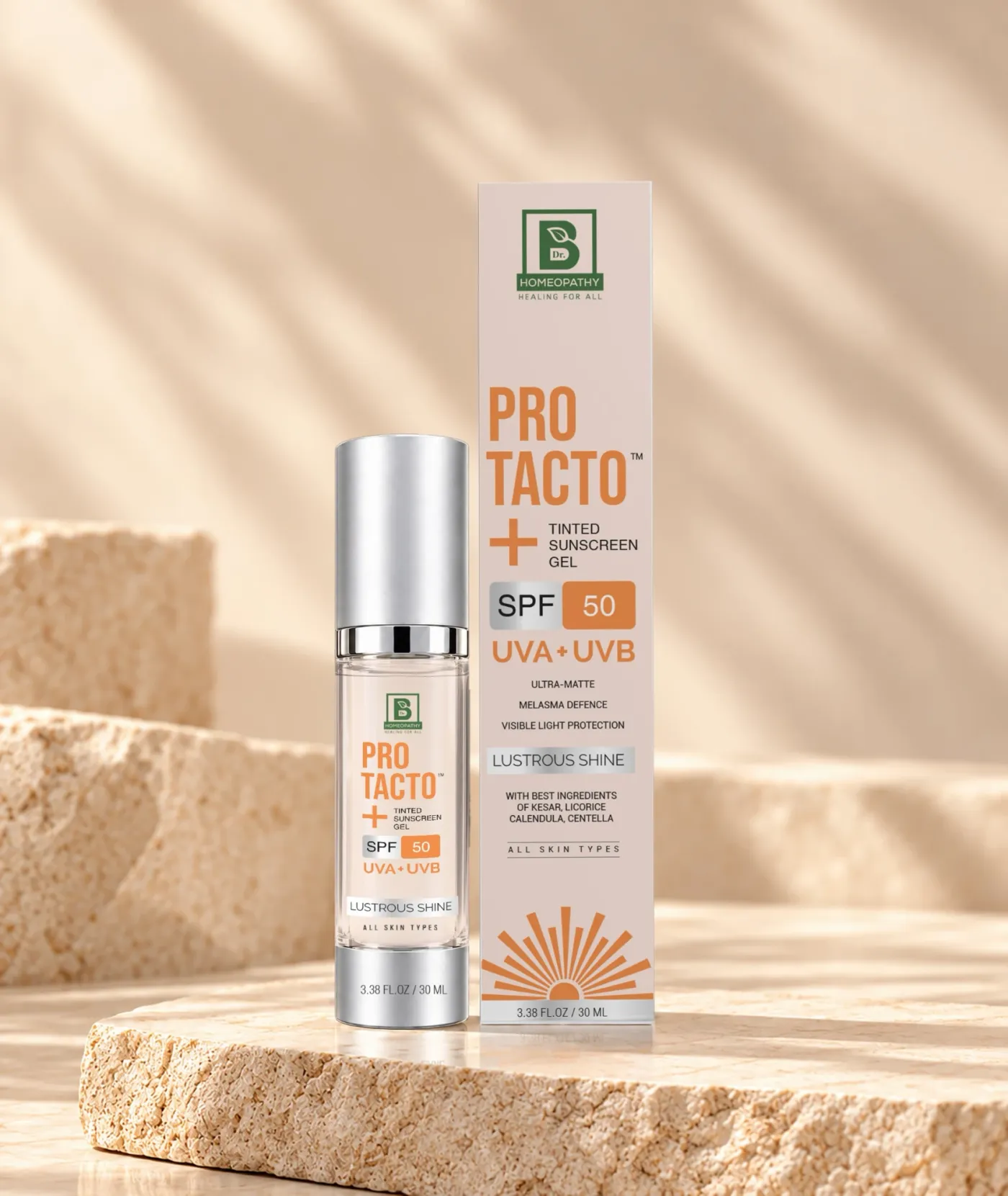
Most people use a third of the sunscreen they need. Here is how much to apply, when to reapply, and the mistakes to avoid.