 Burnett Premium
Melasma, pigmentation or dark spots? How to tell the difference
They look similar but behave differently. Knowing which one you have changes what will help.
Why dark spots appear, what actually helps them fade, and the simple routine that keeps new ones from forming.
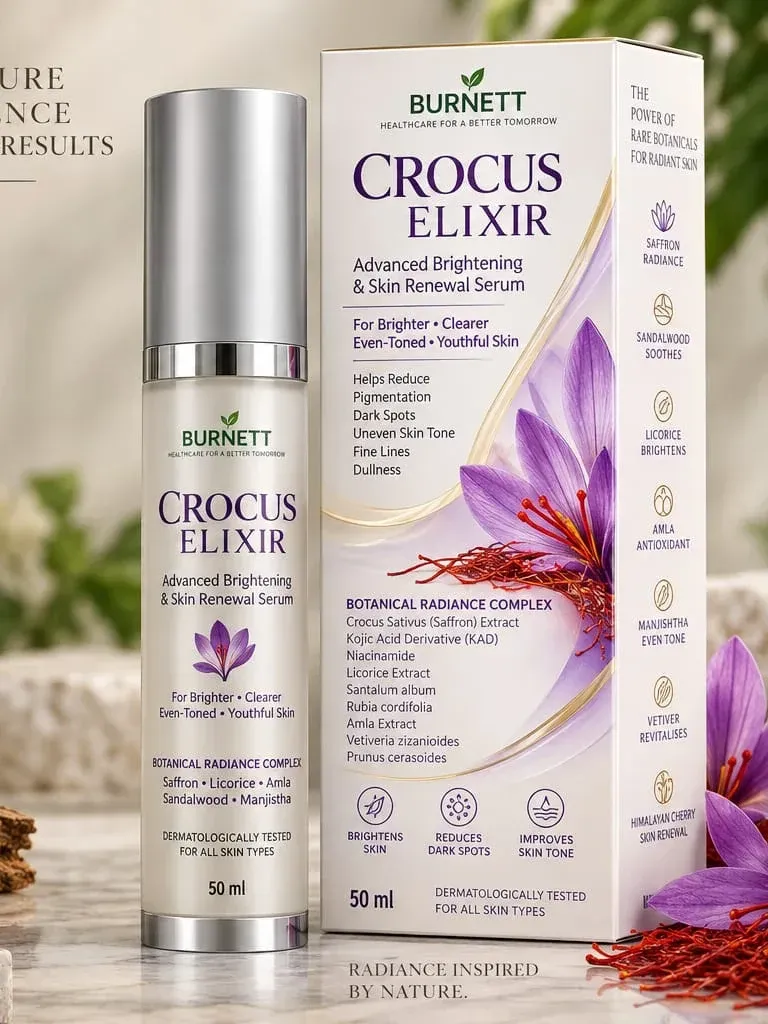
Dark spots are one of the most common skin concerns in India, and also one of the most misunderstood. Many people try a cream for two weeks, see no change and give up. The truth is that spots can fade, but skin renews itself roughly once a month, so real change takes 8–12 weeks of steady care.
A dark spot is simply a patch of extra melanin, the pigment that gives skin its colour. Melanin-rich Indian skin is especially quick to produce more of it when it is stressed. The common triggers are:
Knowing your trigger matters, because no serum can keep up if the trigger keeps firing every day.
1. A brightening serum that calms pigment production and helps even out tone. Look for proven, gentle ingredients such as niacinamide, kojic acid derivatives, licorice and saffron. CROCUS ELIXIR combines all four with amla and manjistha in a lightweight serum you can use morning and night.
2. Daily sunscreen, without exception. This is the step most people skip, and it is the reason spots come back. Choose broad-spectrum SPF 50 with visible-light protection, because visible light also darkens pigmentation in Indian skin. PRO TACTO is a tinted SPF 50 gel made for exactly this.
See a doctor if your spots are spreading quickly, change shape or colour, bleed or itch, or if you have large symmetrical patches on the cheeks (this may be melasma, which needs a tailored plan). Our doctors offer a free consultation.
For a full overview of causes and options, read our guide to dark spots and pigmentation.
Patch test every new product on your inner arm for 24 hours. If you are pregnant, breastfeeding or have an ongoing skin condition, book a free consultation with a Burnett doctor before starting.
Keep reading
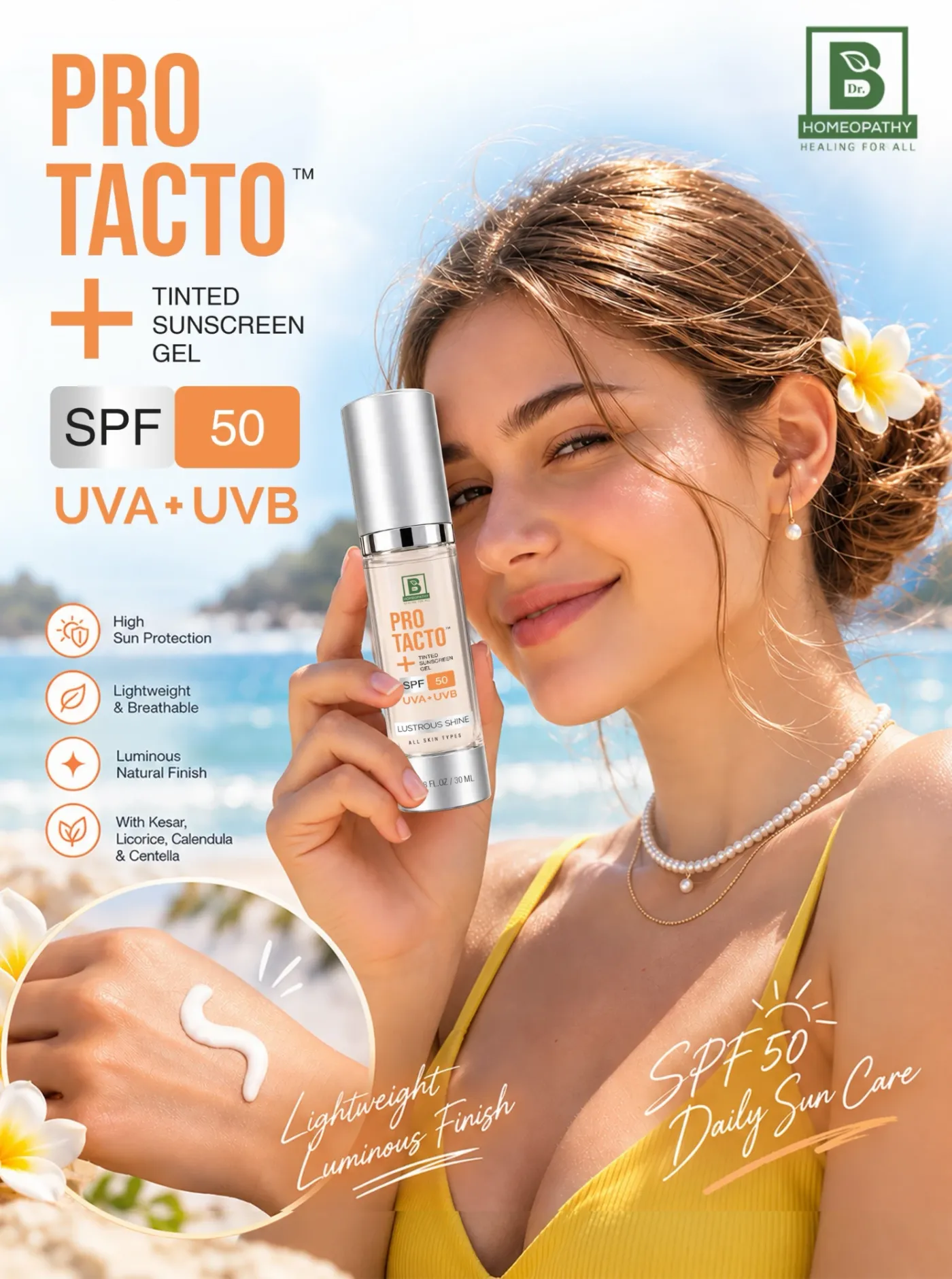
They look similar but behave differently. Knowing which one you have changes what will help.
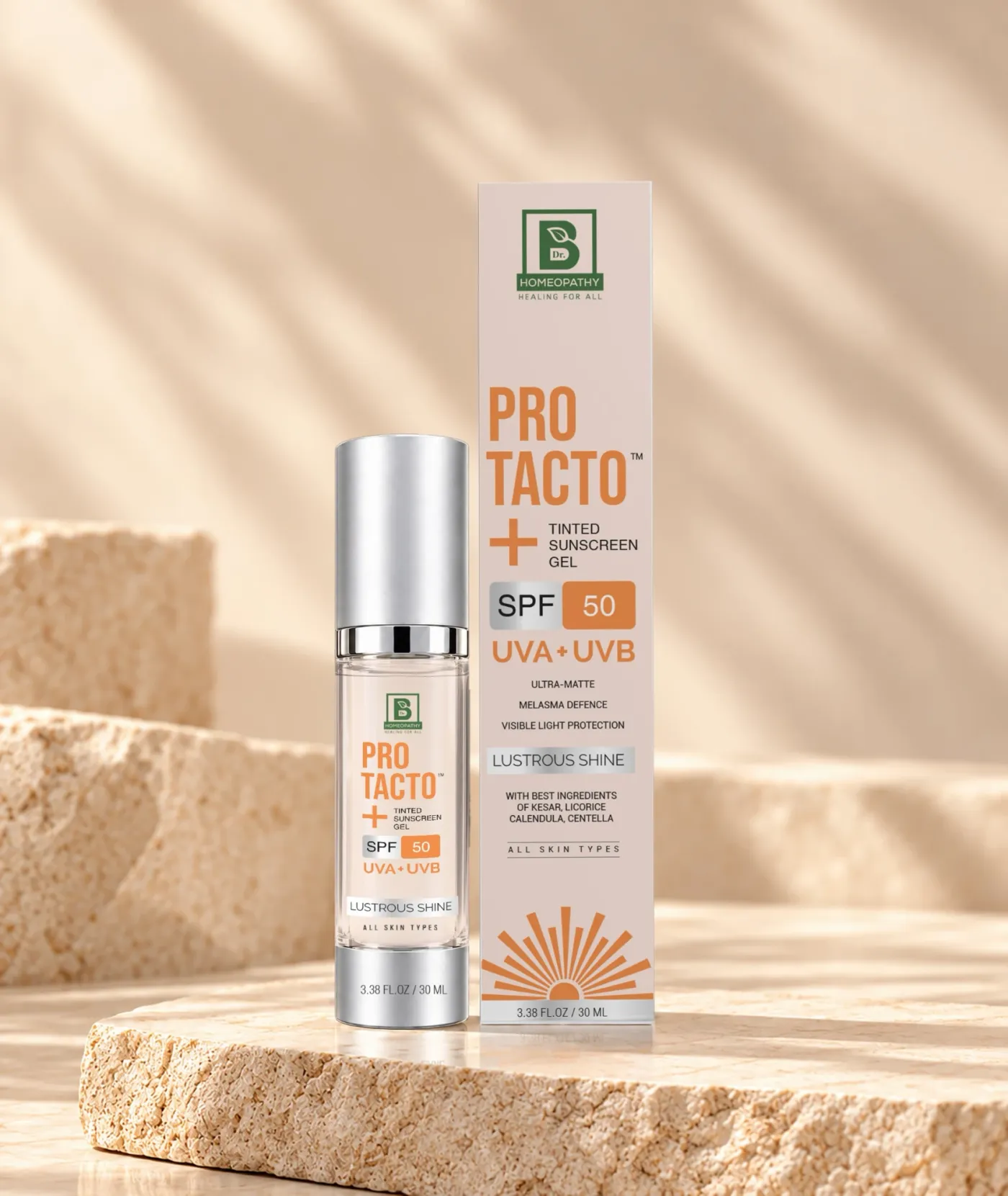
Most people use a third of the sunscreen they need. Here is how much to apply, when to reapply, and the mistakes to avoid.
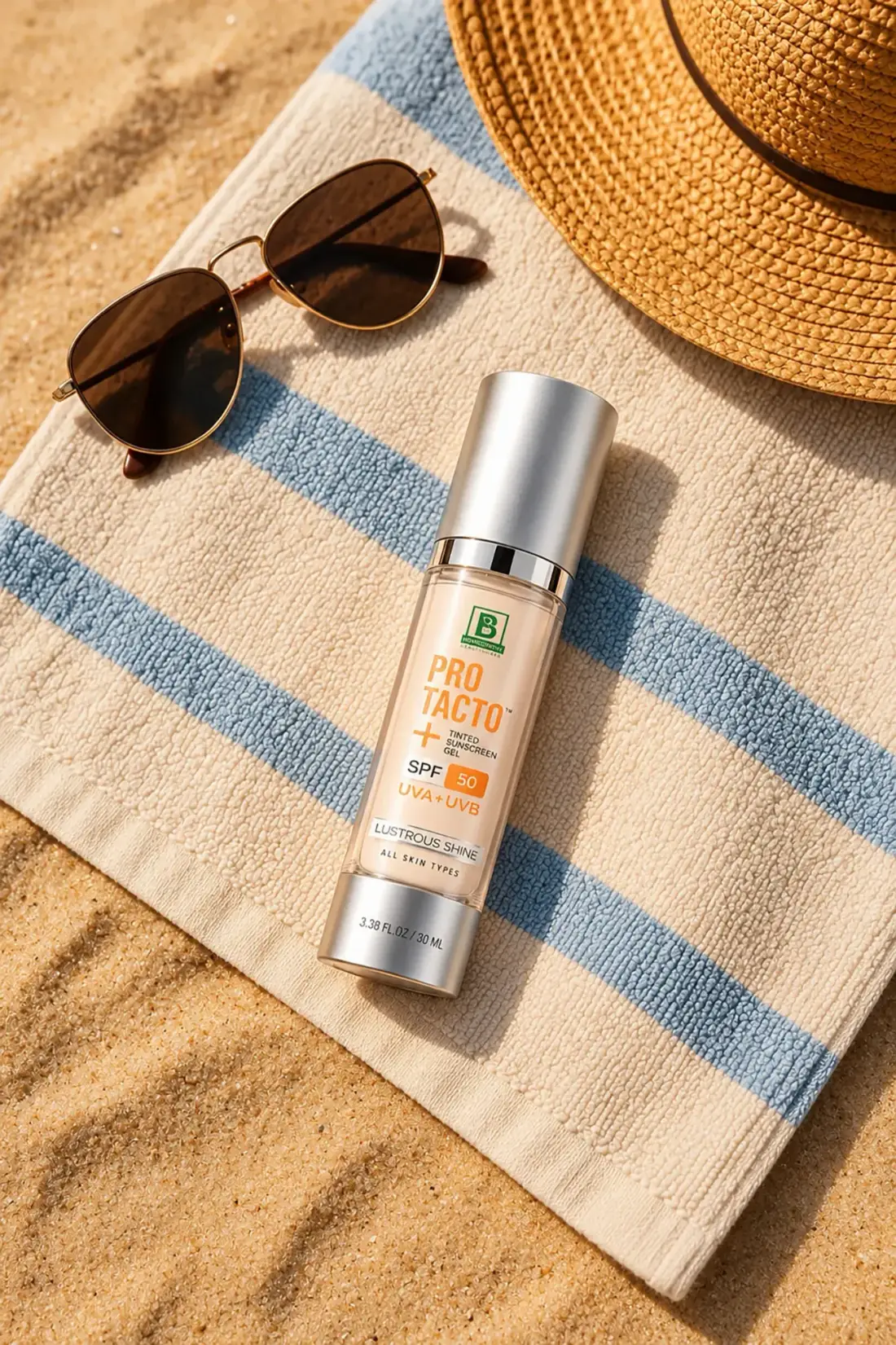
What the tint actually does, why visible light matters for pigmentation, and how to pick the right SPF.