 Burnett Premium
How to remove dark spots on your face: a realistic 12-week plan
Why dark spots appear, what actually helps them fade, and the simple routine that keeps new ones from forming.
Most people use a third of the sunscreen they need. Here is how much to apply, when to reapply, and the mistakes to avoid.
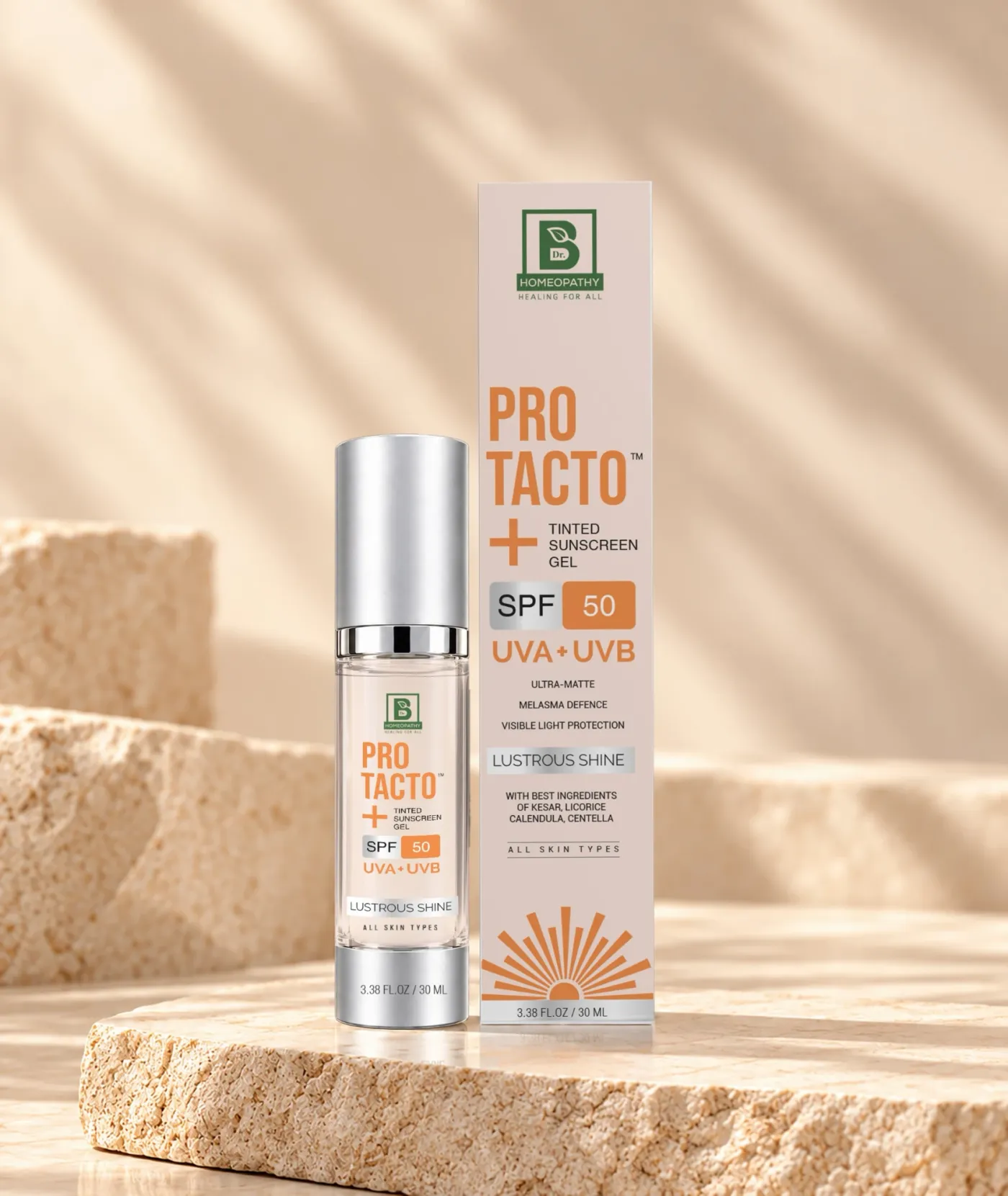
You bought an SPF 50 sunscreen, so you are protected, right? Not necessarily. The SPF number on the bottle is measured with a generous layer of 2 mg per square centimetre of skin. Studies show most people apply only a quarter to a half of that, which can drop real protection dramatically.
Squeeze a line of sunscreen along the full length of your index and middle fingers. That is roughly the right amount for your face and neck. If your sunscreen is a gel or pump, aim for about half a teaspoon.
It may feel like a lot at first. A lightweight, matte gel like PRO TACTO makes the full amount easier to wear without a white cast or greasiness.
Over makeup, you can pat a thin layer on with a sponge, or use a sunscreen stick or powder for top-ups.
Visible light can deepen dark spots and melasma in Indian skin. Tinted sunscreens with iron oxides help block it while evening out tone. Learn more in our guide to the best sunscreen for Indian skin.
Patch test every new product on your inner arm for 24 hours. If you are pregnant, breastfeeding or have an ongoing skin condition, book a free consultation with a Burnett doctor before starting.
Keep reading
Why dark spots appear, what actually helps them fade, and the simple routine that keeps new ones from forming.
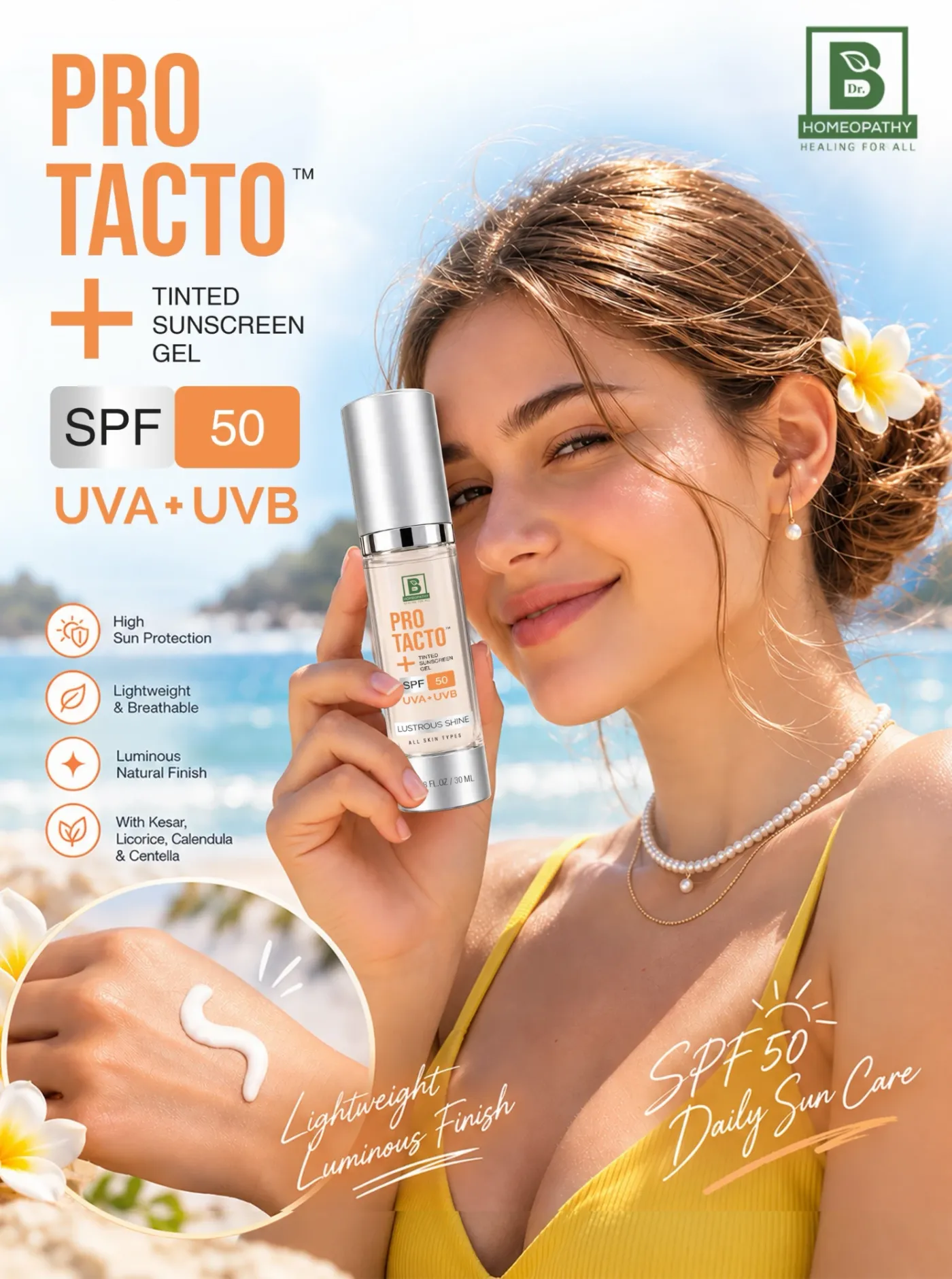
They look similar but behave differently. Knowing which one you have changes what will help.
What the tint actually does, why visible light matters for pigmentation, and how to pick the right SPF.