 Burnett Premium
How to remove dark spots on your face: a realistic 12-week plan
Why dark spots appear, what actually helps them fade, and the simple routine that keeps new ones from forming.
What the tint actually does, why visible light matters for pigmentation, and how to pick the right SPF.
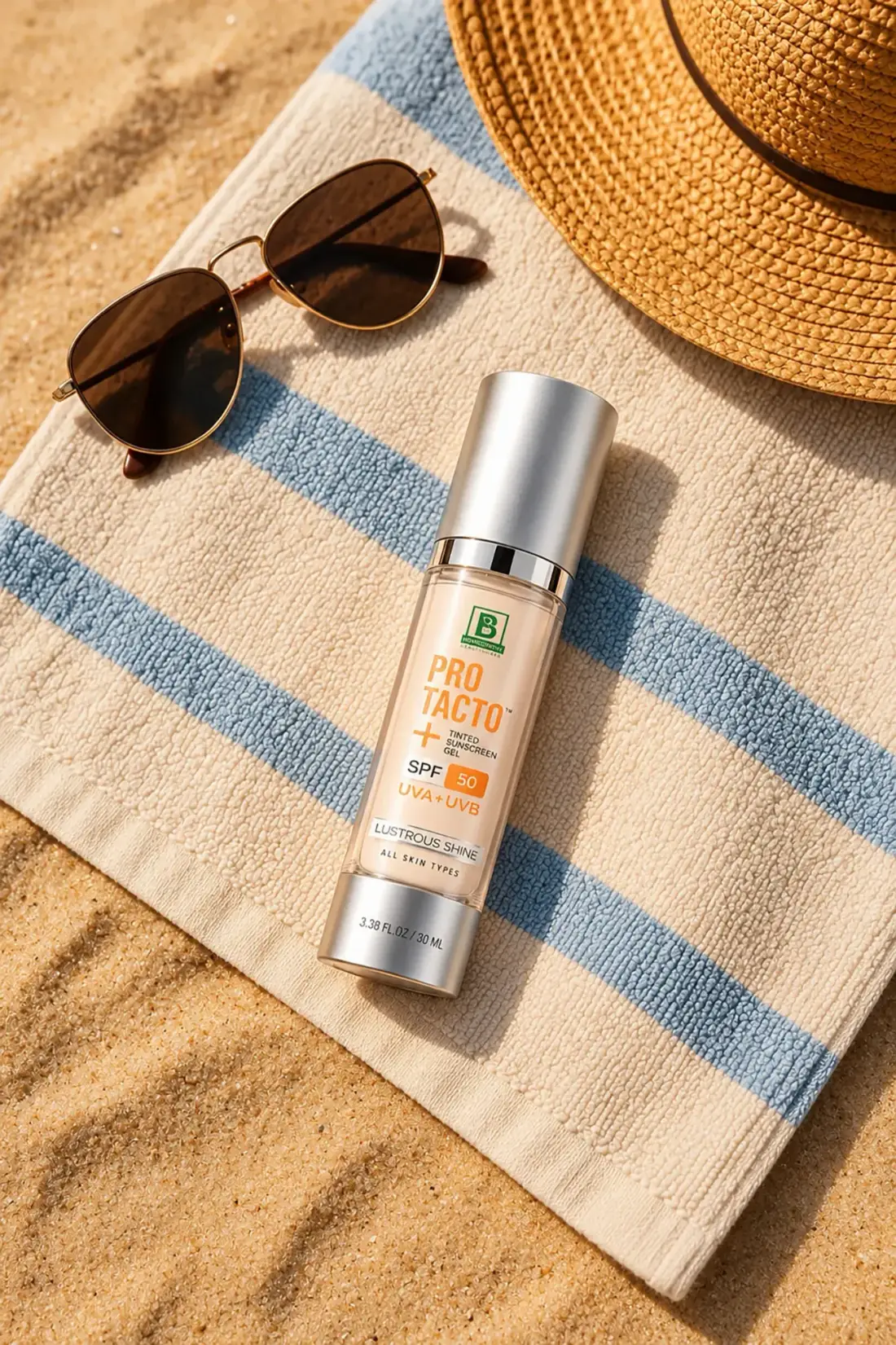
Walk into any pharmacy and you will see regular sunscreens and tinted ones side by side. Many people think the tint is just for looks. For Indian skin, it does a lot more.
Every good sunscreen should be broad spectrum, meaning it protects against:
Visible light is the light we can see. Research has shown that in medium to deep skin tones, visible light can trigger long-lasting darkening and worsen melasma and dark spots, even when UV is blocked.
Most clear sunscreens let visible light through. Tinted sunscreens contain iron oxides, the pigments that give them colour, and these help block visible light. That is why dermatologists often recommend a tinted sunscreen to people with pigmentation.
PRO TACTO ticks all four: a tinted SPF 50 gel with visible-light protection, an ultra-matte finish and soothing botanicals like kesar, licorice, calendula and centella.
If you are working on dark spots, use a brightening serum like CROCUS ELIXIR underneath. The serum helps fade existing spots; the tinted sunscreen helps stop new ones from forming. Read our 2-step morning routine.
Find out more in our guide to the best sunscreen for Indian skin.
Patch test every new product on your inner arm for 24 hours. If you are pregnant, breastfeeding or have an ongoing skin condition, book a free consultation with a Burnett doctor before starting.
Keep reading
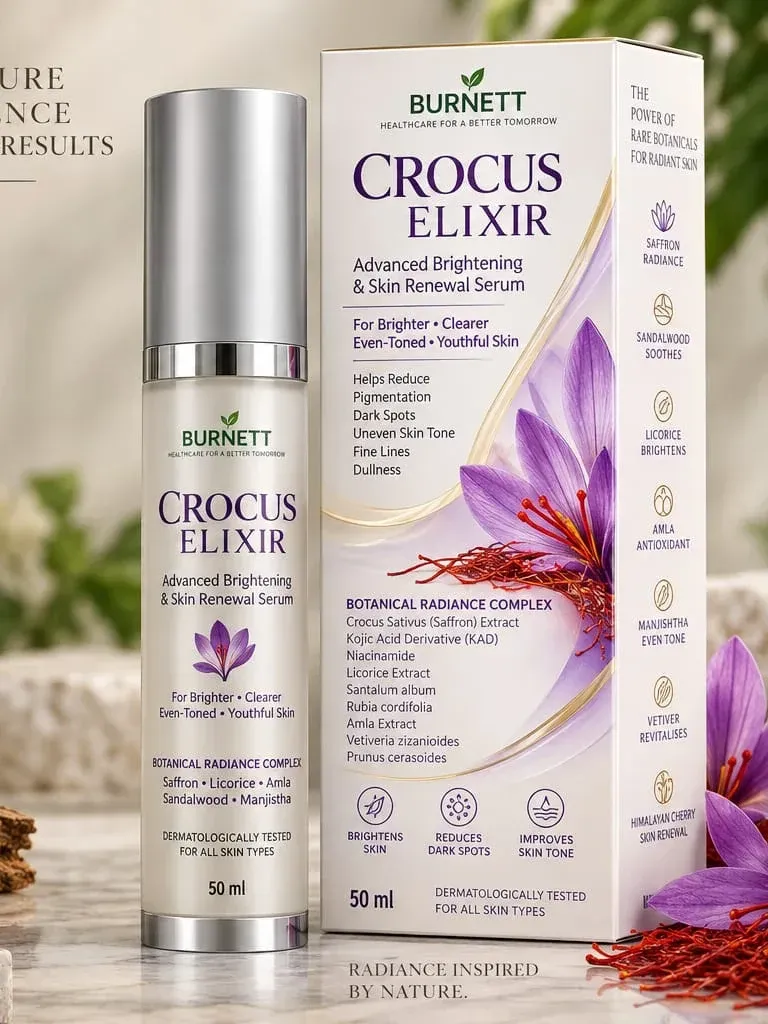
Why dark spots appear, what actually helps them fade, and the simple routine that keeps new ones from forming.
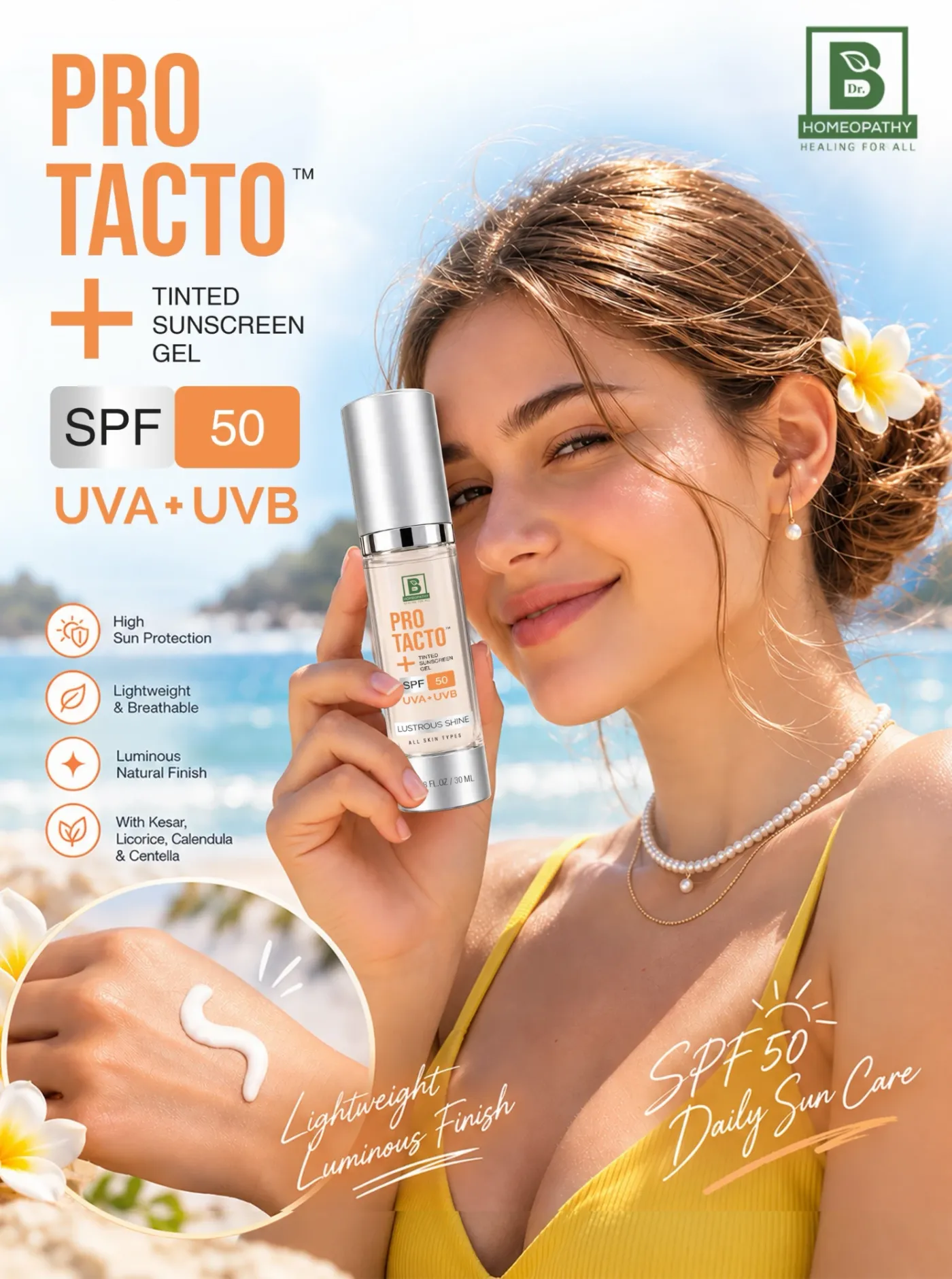
They look similar but behave differently. Knowing which one you have changes what will help.
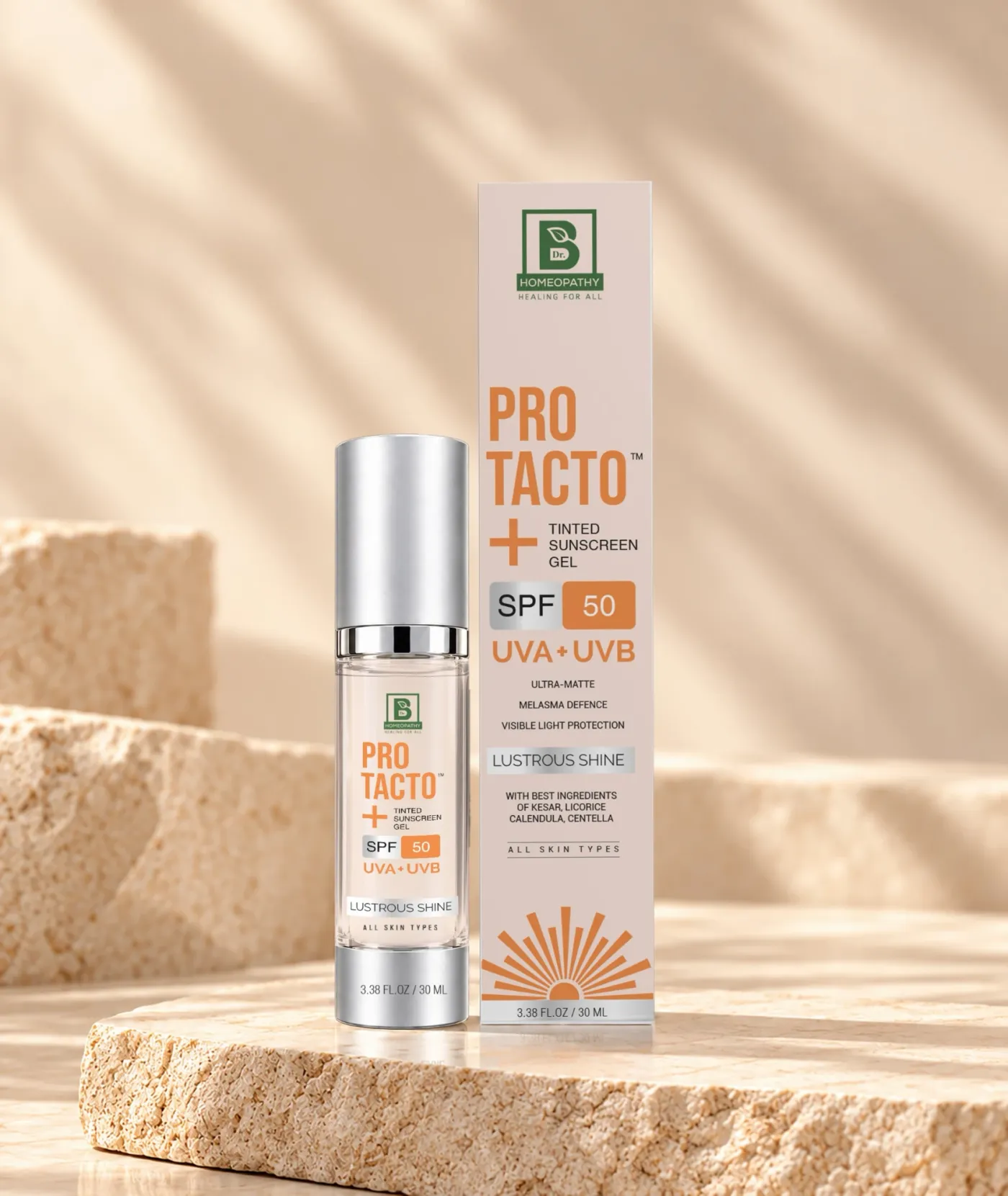
Most people use a third of the sunscreen they need. Here is how much to apply, when to reapply, and the mistakes to avoid.