 Burnett Premium
How to remove dark spots on your face: a realistic 12-week plan
Why dark spots appear, what actually helps them fade, and the simple routine that keeps new ones from forming.
They look similar but behave differently. Knowing which one you have changes what will help.
"Pigmentation" is a word people use for any darker patch of skin. But dermatologists separate it into a few different types, and each one responds to care a little differently. Here is a simple way to tell them apart.
Note: if the area is dented or raised, that is a scar, not a mark. Read acne marks vs acne scars.
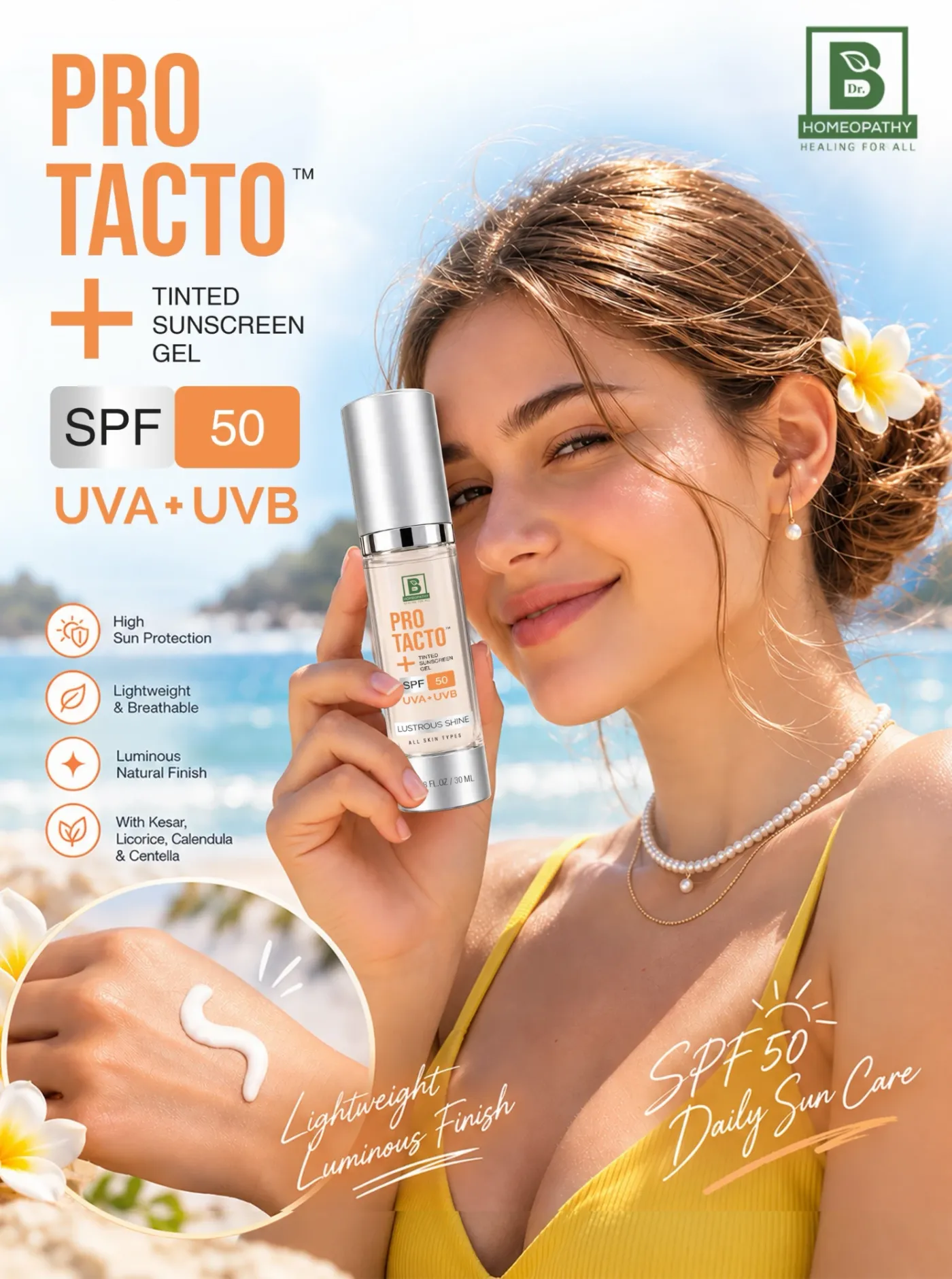
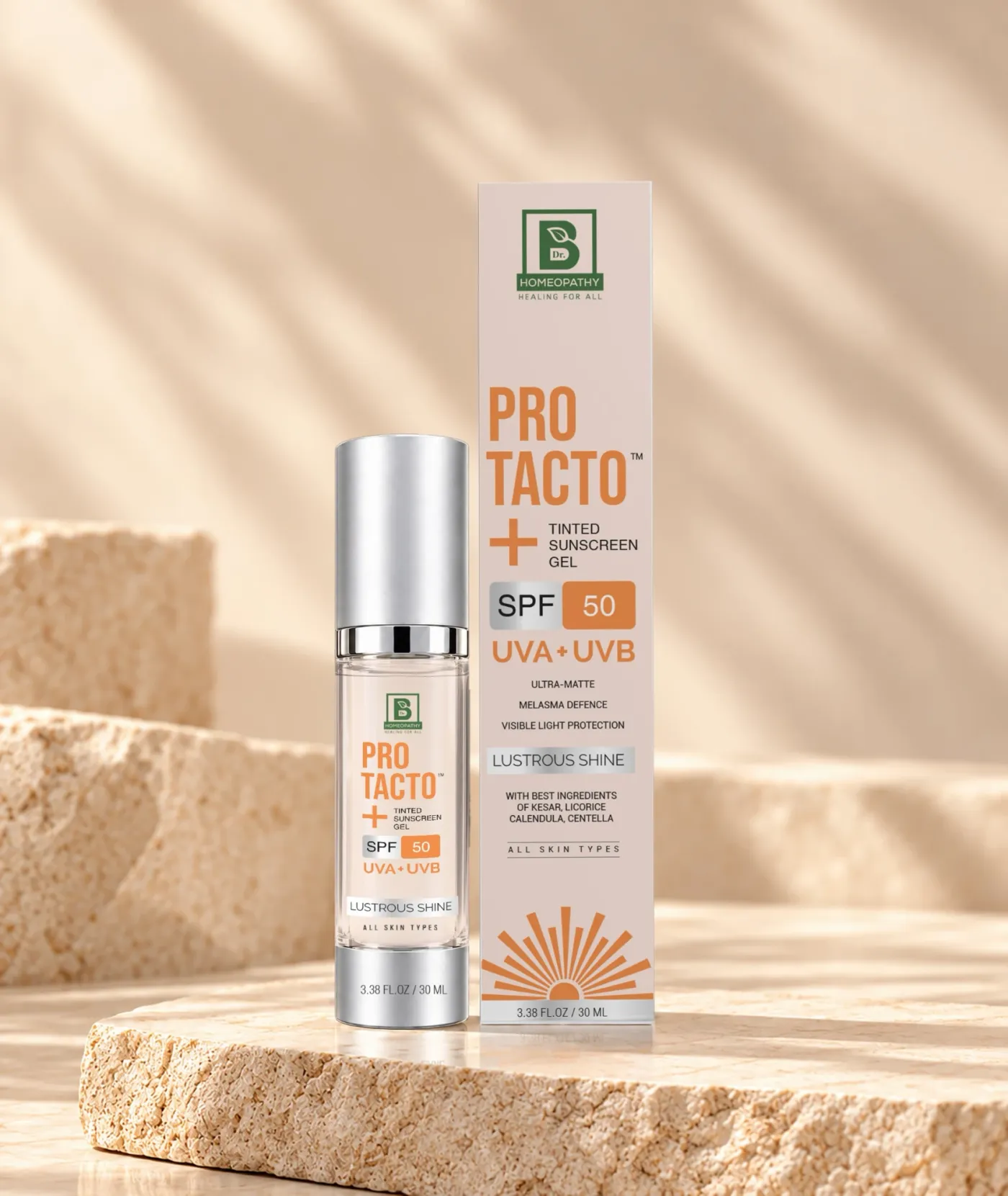
For years, sunscreen was only about UV. We now know that visible light, the light from the sun and even strong indoor lighting, can deepen pigmentation in medium and darker skin tones. Tinted sunscreens contain iron oxides that help block it. That is why PRO TACTO is a tinted SPF 50 with visible-light protection.
Give it 8–12 weeks before judging results.
If you are unsure which type you have, if patches appeared during pregnancy, or if they keep spreading, speak to a doctor. A free Burnett consultation can help you build the right plan.
More on causes and routines: dark spots and pigmentation guide.
Patch test every new product on your inner arm for 24 hours. If you are pregnant, breastfeeding or have an ongoing skin condition, book a free consultation with a Burnett doctor before starting.
Keep reading
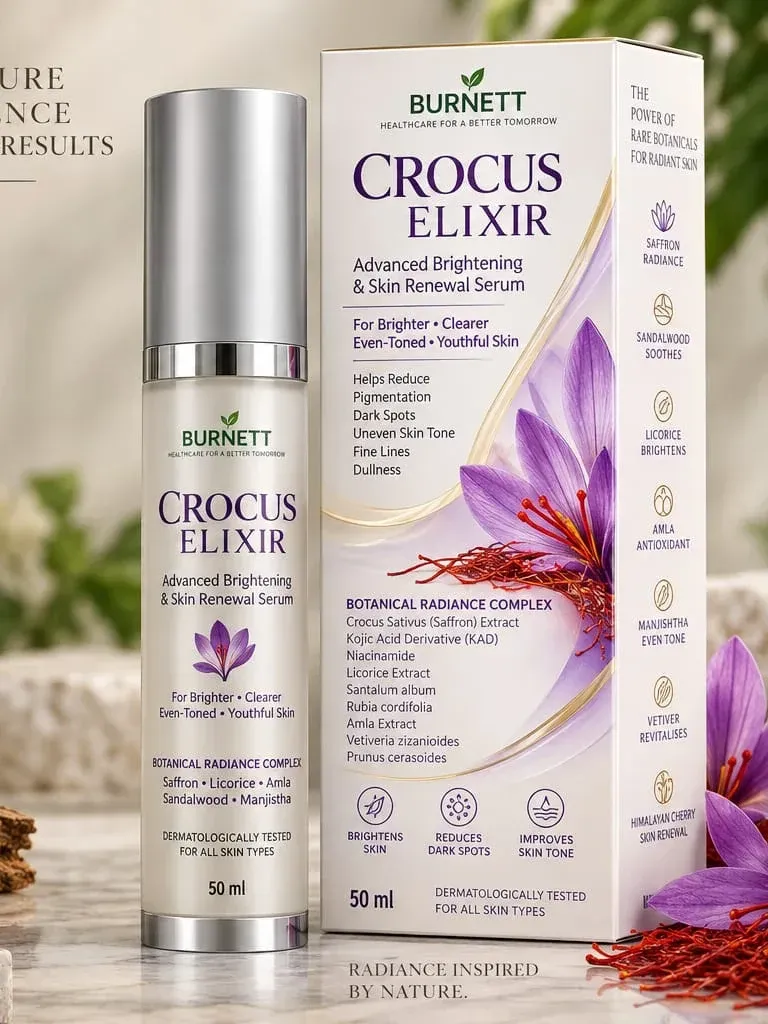
Why dark spots appear, what actually helps them fade, and the simple routine that keeps new ones from forming.
Most people use a third of the sunscreen they need. Here is how much to apply, when to reapply, and the mistakes to avoid.
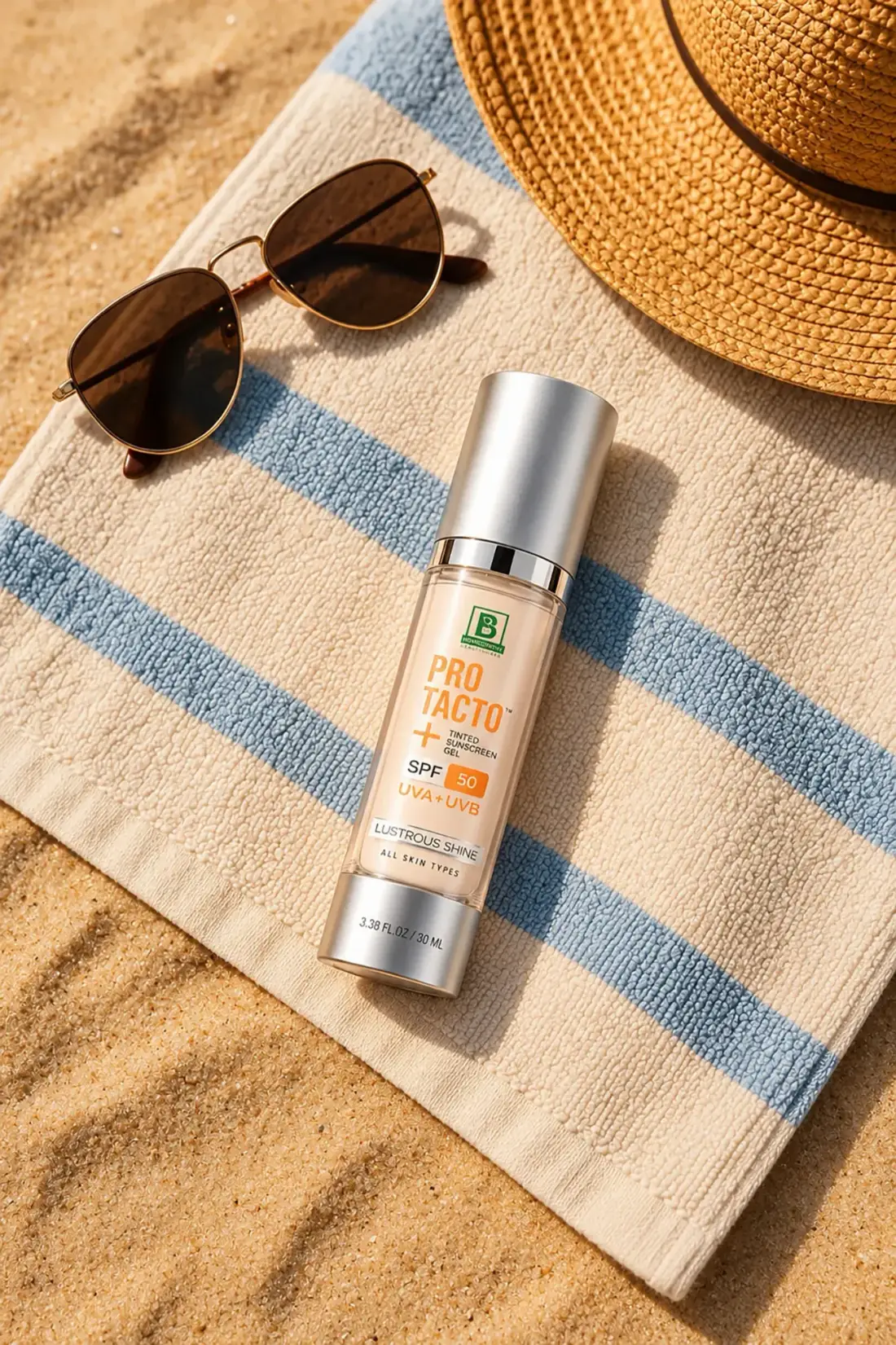
What the tint actually does, why visible light matters for pigmentation, and how to pick the right SPF.