 Burnett Premium
How to remove dark spots on your face: a realistic 12-week plan
Why dark spots appear, what actually helps them fade, and the simple routine that keeps new ones from forming.
Why silicone is the first choice for healed scars, how to use it correctly and how long it takes to see a difference.
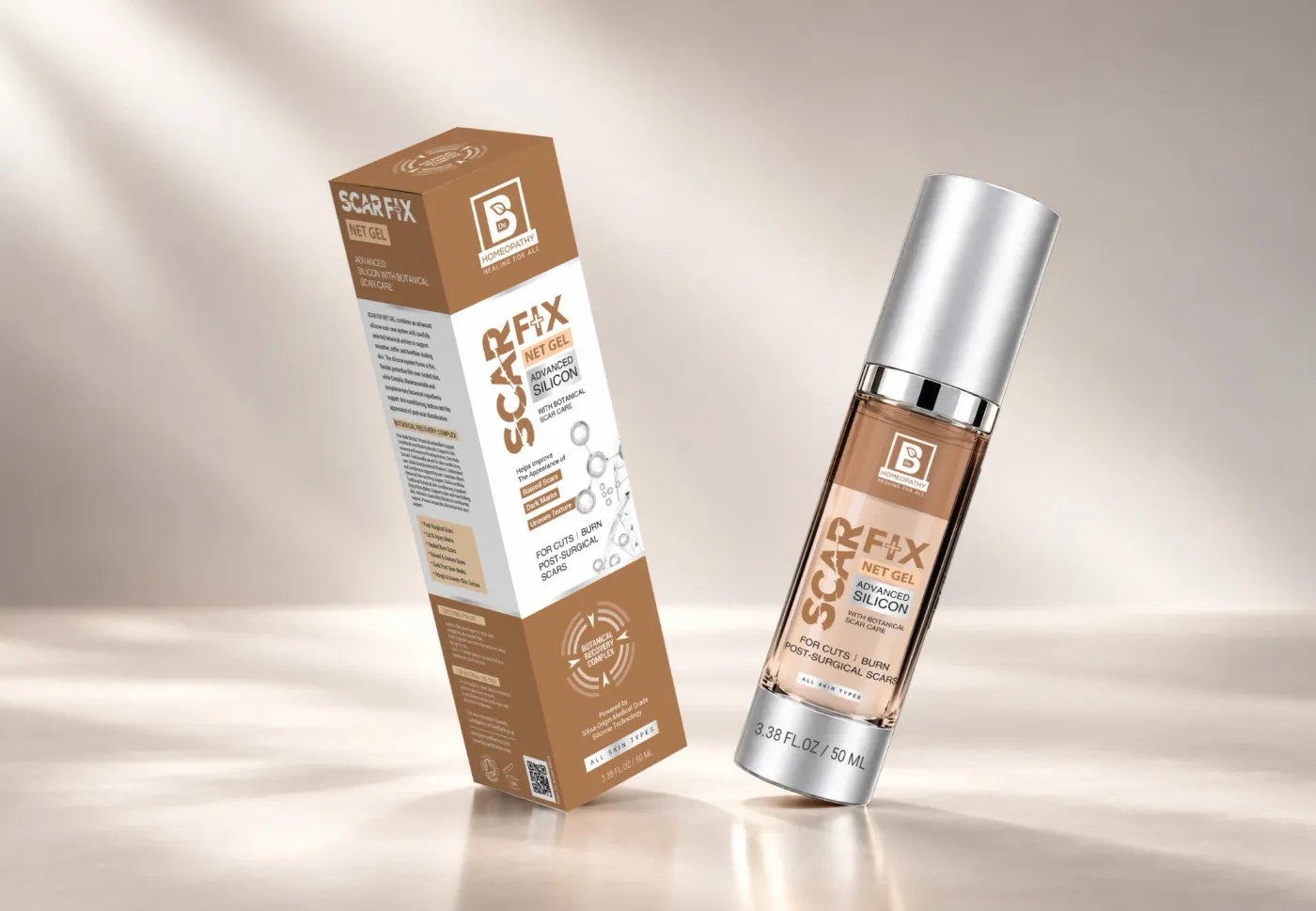
Scars are the skin's natural way of repairing itself after a cut, surgery, burn or injury. They never disappear completely, but their look can be improved a lot, and silicone is the option doctors most often recommend first for healed scars.
Medical-grade silicone gel dries into a thin, flexible, breathable film over the scar. This film:
It is gentle, painless and easy to use at home, which is why it is used after surgeries, C-sections and burns.
Important: silicone gel is only for healed, closed skin. Never apply it to open wounds, stitches that have not been removed, or infected or broken skin.
SCAR FIX is a silicone net gel that adds a botanical recovery complex of madecassoside, gotu kola, pine bark and vitamin C to help improve the look of dark marks and uneven texture.
See a doctor if a scar keeps growing beyond the original wound (this may be a keloid), is painful or itchy, or limits movement near a joint. A free consultation is a good first step.
More on scar types and routines: scar care gel guide.
Patch test every new product on your inner arm for 24 hours. If you are pregnant, breastfeeding or have an ongoing skin condition, book a free consultation with a Burnett doctor before starting.
Keep reading
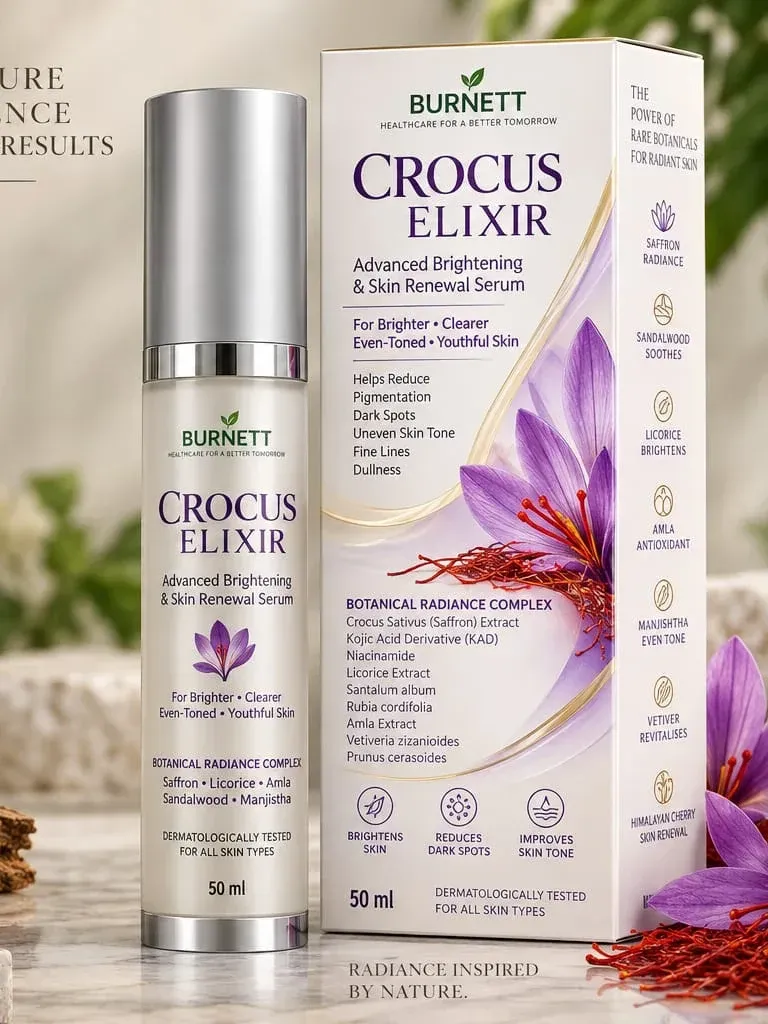
Why dark spots appear, what actually helps them fade, and the simple routine that keeps new ones from forming.
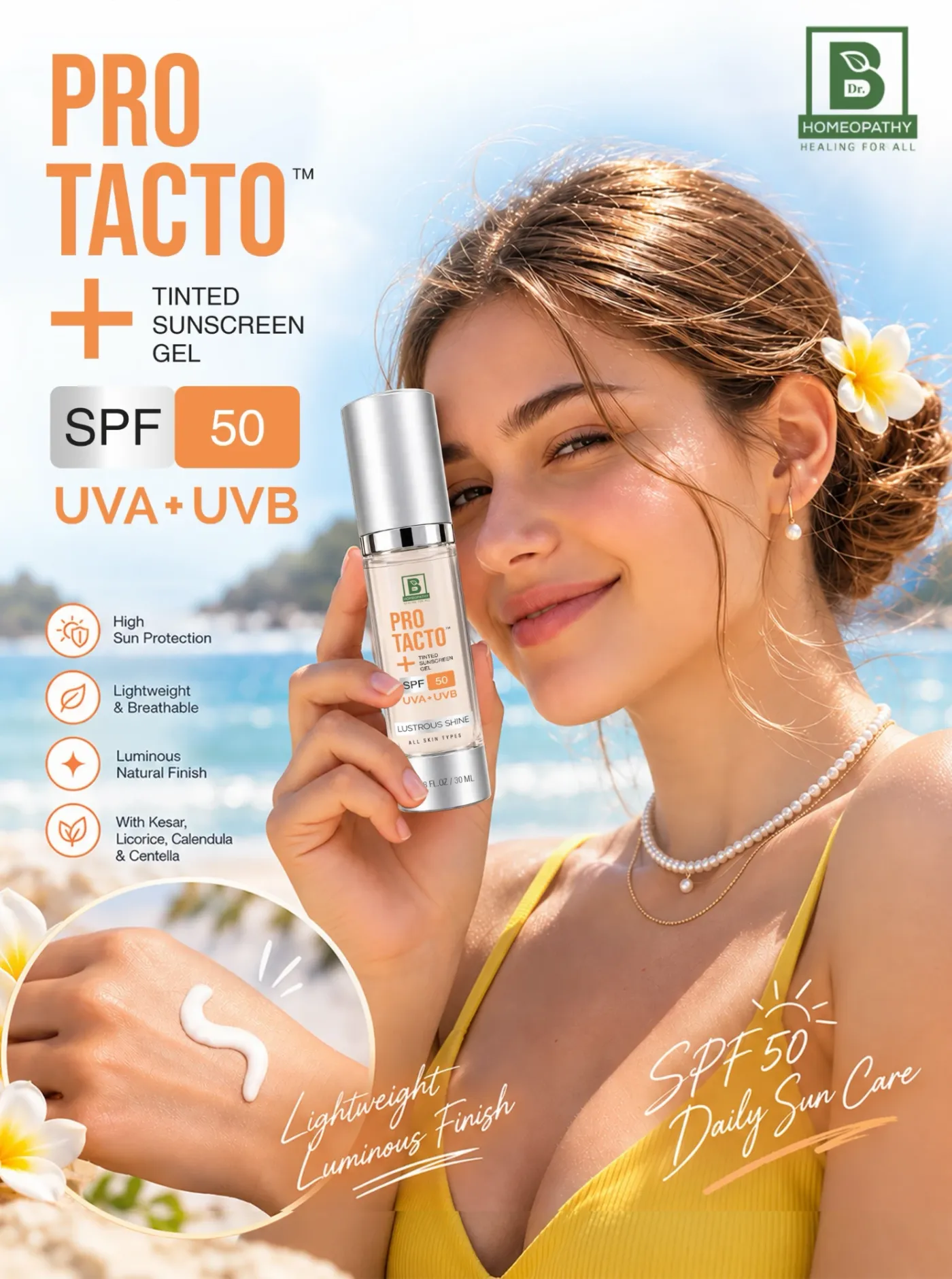
They look similar but behave differently. Knowing which one you have changes what will help.
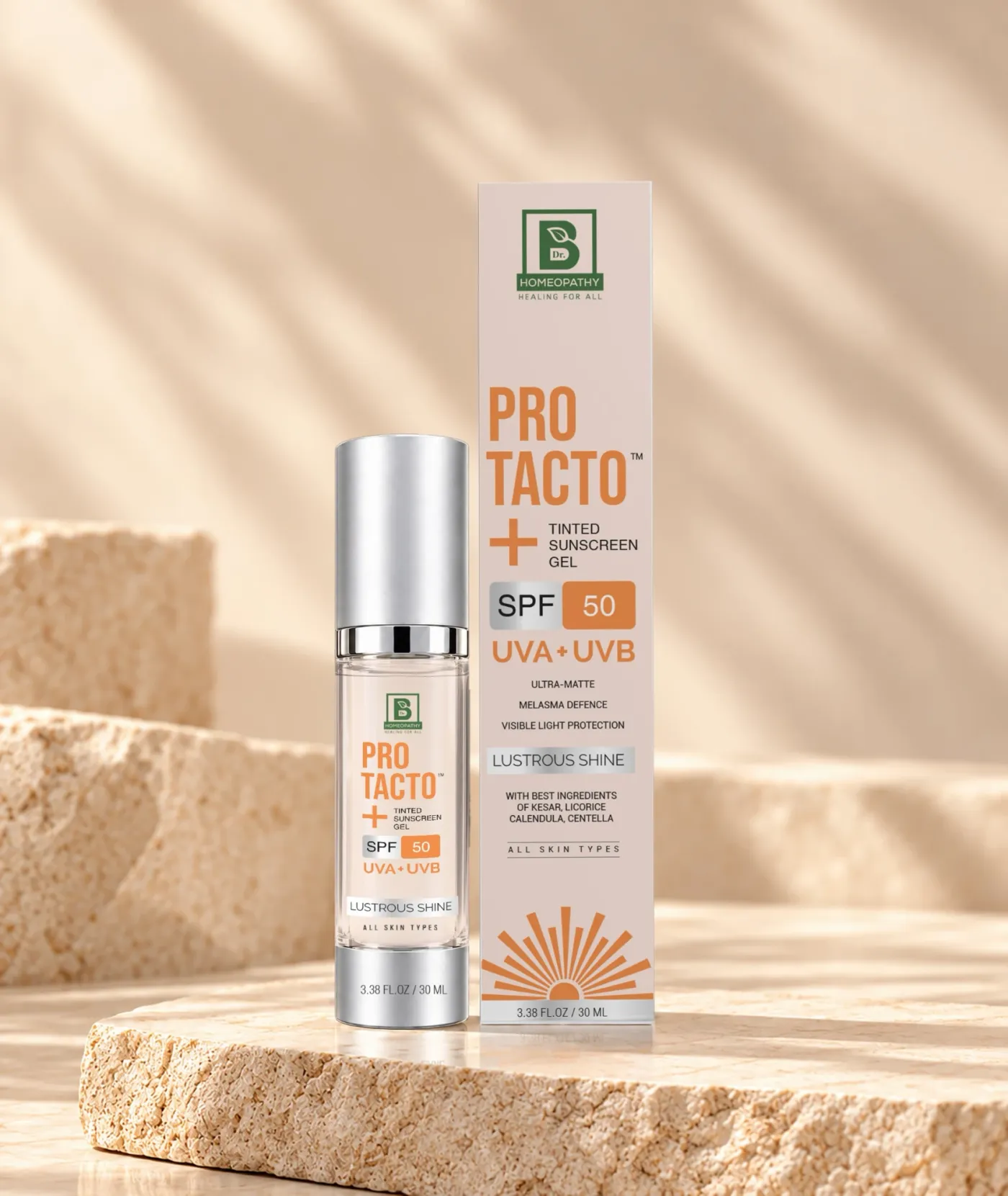
Most people use a third of the sunscreen they need. Here is how much to apply, when to reapply, and the mistakes to avoid.